What is camera alignment and why is it so important?
Blurry corners in your photos are frustrating. It means a key part of your product is failing, leading to unhappy customers. The solution is perfect camera alignment during manufacturing.
Camera alignment is the process of perfectly positioning the camera's lens relative to its image sensor. This ensures the entire image, from the center to the corners, is sharp and in focus. It's especially critical for modern high-resolution camera modules.
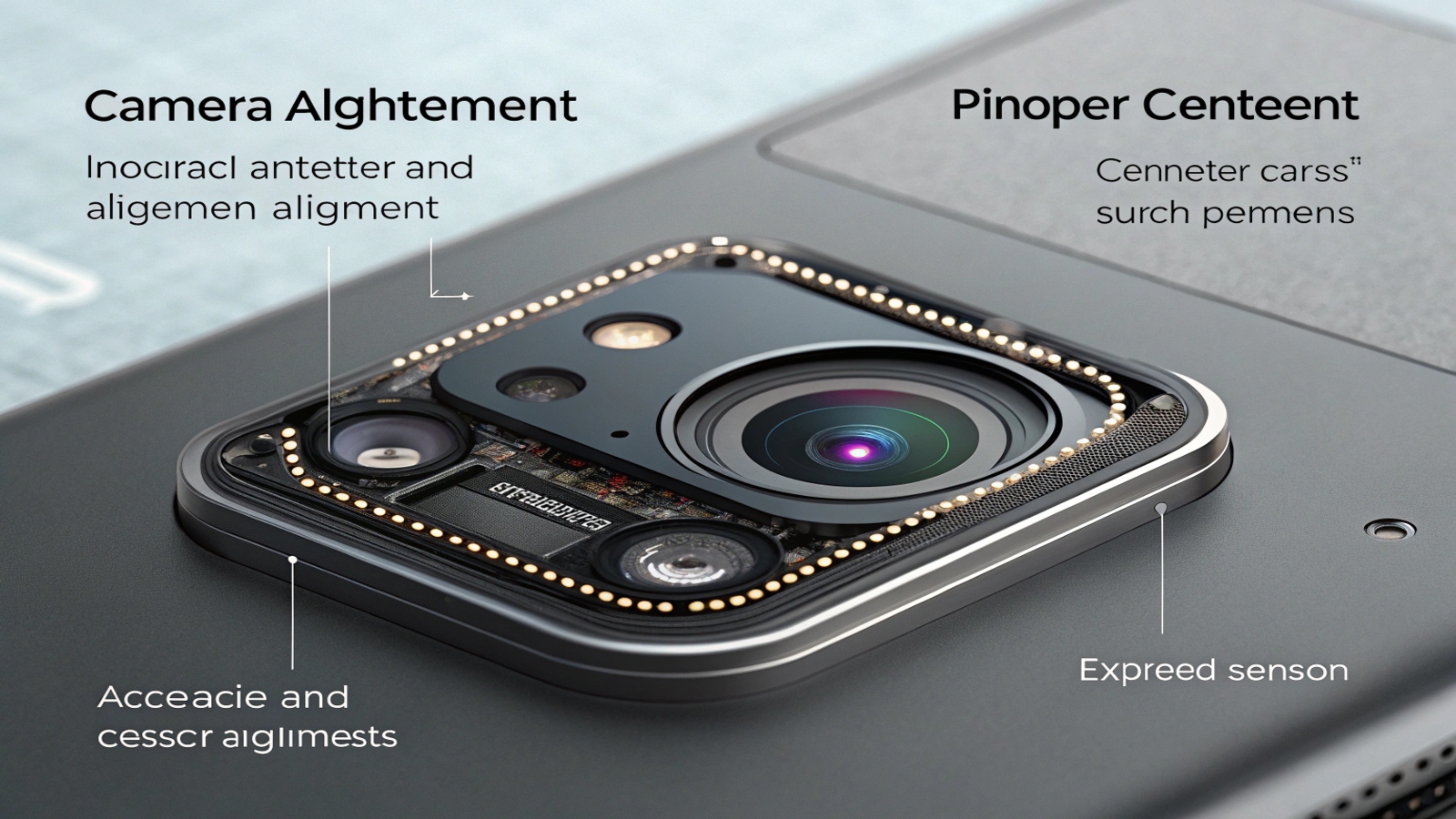
Getting alignment right seems simple on the surface. You just put a lens in front of a sensor. But in high-volume, high-performance electronics manufacturing, it's a game of micrometers. A tiny error can ruin image quality, making a powerful camera perform poorly. As a manufacturer with over 15 years of experience, we've seen how this one step can make or break a product. Let’s dive deeper into why this matters so much and how we achieve perfection.
Why does precise alignment matter for high-pixel cameras?
You paid for a top-tier camera with high megapixels, but the images look soft. This is a common frustration when manufacturing isn't precise. The secret to unlocking that full resolution is alignment.
Precise alignment ensures every single pixel on a high-resolution sensor gets a focused point of light. Without it, you get blurry edges and distortion. This effectively wastes the high pixel count you invested in, making the camera underperform.
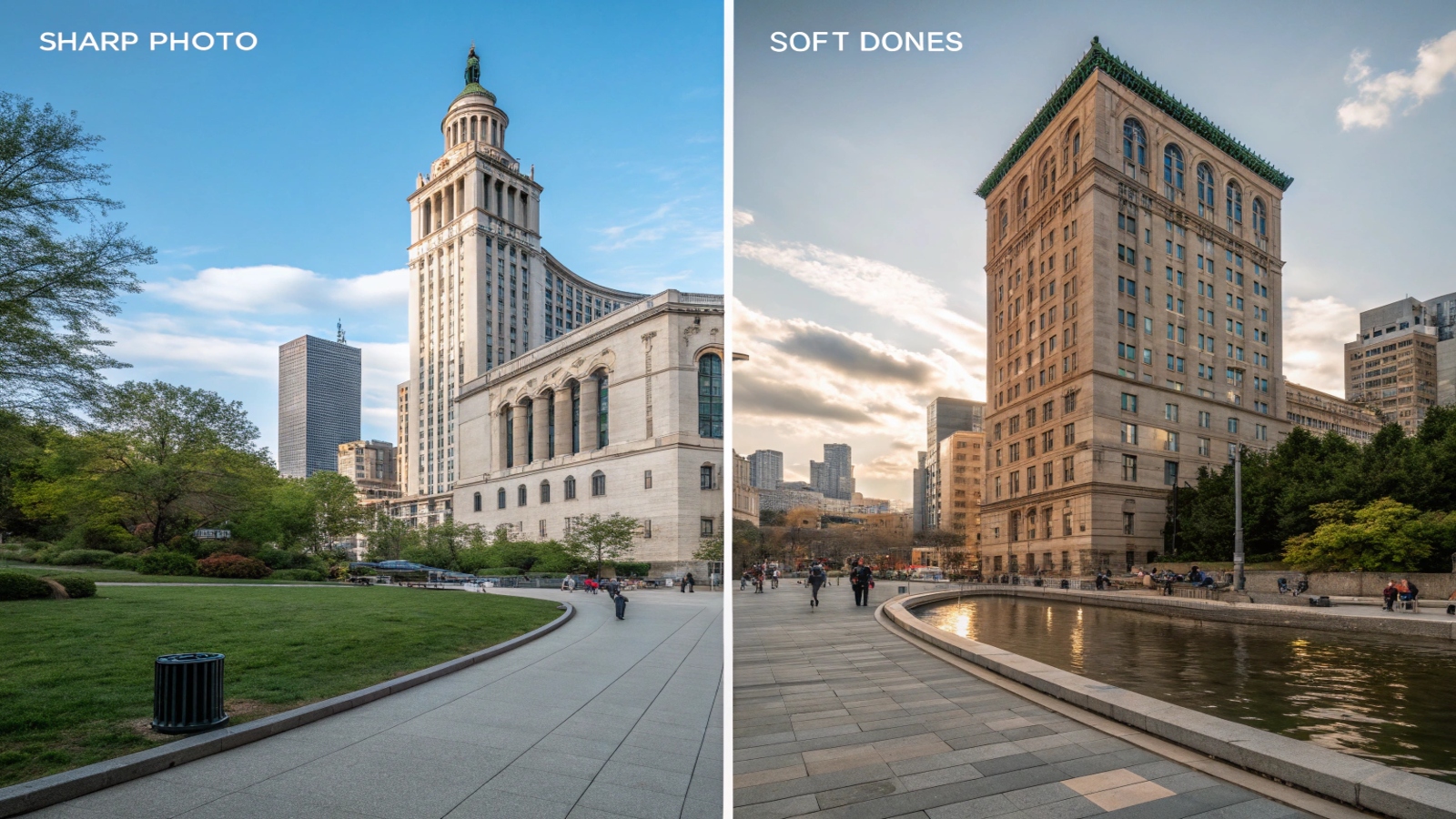
When we work with high-resolution sensors, the individual pixels are incredibly small. Think about a 48MP or 108MP sensor packed into a tiny module. Any slight tilt or off-center positioning of the lens gets magnified, resulting in visible image flaws. This is where many mass-produced cameras fail. They might look good in the center, but the corners and edges become a blurry mess.
The Challenge of Pixel Density
As pixel density increases, the tolerance for error shrinks to almost zero. A lens that is tilted by just a fraction of a degree can cause one side of the image to be out of focus. This is unacceptable for any premium product, whether it's a smartphone, a security camera, or a medical device. I remember a project with a client developing a high-end drone. Their initial prototypes had inconsistent sharpness, which was a deal-breaker for aerial photography. The problem was traced back to their previous supplier's passive alignment method.
Measuring a Perfect Image
We use a metric called Modulation Transfer Function (MTF) to objectively measure image sharpness across the entire frame. This test tells us exactly how well the lens and sensor combination is performing. Our goal is to achieve a high and consistent MTF score from the center to the very edge of the image.
| Feature | Poor Alignment | Active Alignment (Our Method) |
|---|---|---|
| Corner Sharpness | Blurry, soft, and unusable | Consistently sharp and clear |
| Image Distortion | Visible warping or "smearing" | Minimal to none |
| Resolution Use | Ineffective, wasted pixels | Maximized for full detail |
| Product Reliability | High risk of customer returns | Significantly reduced defect rate |
How is Active Alignment (AA) different from traditional methods?
Traditional camera assembly methods are often fast but very inaccurate. This can lead to a high number of defective units for your brand, hurting both your reputation and your bottom line.
Unlike traditional passive assembly, Active Alignment (AA) is a dynamic process. We power the camera on and analyze a live image. Then, a machine makes micro-adjustments to the lens position and tilt in real-time until the image is perfectly sharp, before locking it in place.
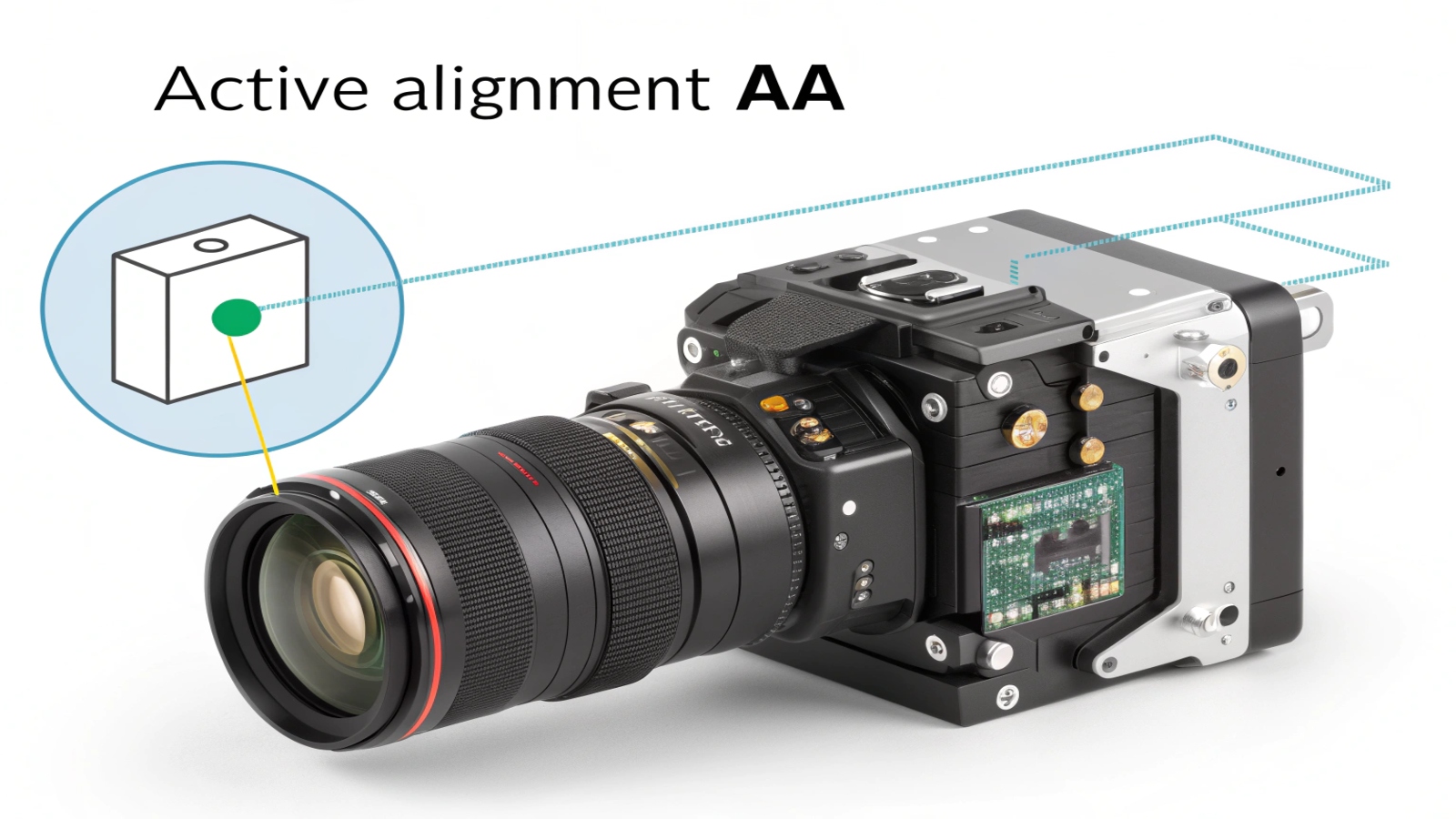
The Active Alignment (AA) process is the key to our quality. I like to compare it to a modern eye exam. The optometrist doesn't just hand you a pair of glasses. Instead, they have you look through a machine and ask, "Is it clearer now... or now?" as they fine-tune the lenses. That's exactly what our AA machines do. They build the module while it's "seeing." In contrast, traditional passive alignment is like grabbing a pre-made pair of glasses off the shelf and hoping they work.
The AA Process in Action
At our facility, this process is handled by high-precision robotics in a Class 100 cleanroom environment. Here is a simplified look at the steps:
- The lens and sensor are placed in the AA machine.
- The camera module is powered on.
- The machine projects a test chart into the lens.
- Software analyzes the live image feed, measuring the MTF in real-time.
- Robotic arms make micro-adjustments to the lens on 6 axes (up/down, left/right, forward/back, and tilt in three directions) until the MTF score is maximized across the entire sensor.
- Once the optimal position is found, UV-cured adhesive is applied to permanently lock the lens in place.
This process ensures that every single module leaving our production line performs at its absolute best.
What are the benefits of using AA for your brand?
Product returns and warranty claims from poor image quality can damage your brand. This breaks customer trust and eats into your profits. Using AA-manufactured camera modules is the best way to protect your brand.
The benefits are clear: superior and consistent image quality, much lower defect rates, and fewer customer complaints. This improves your brand's reputation for quality and reliability, which leads to happier customers and long-term loyalty.
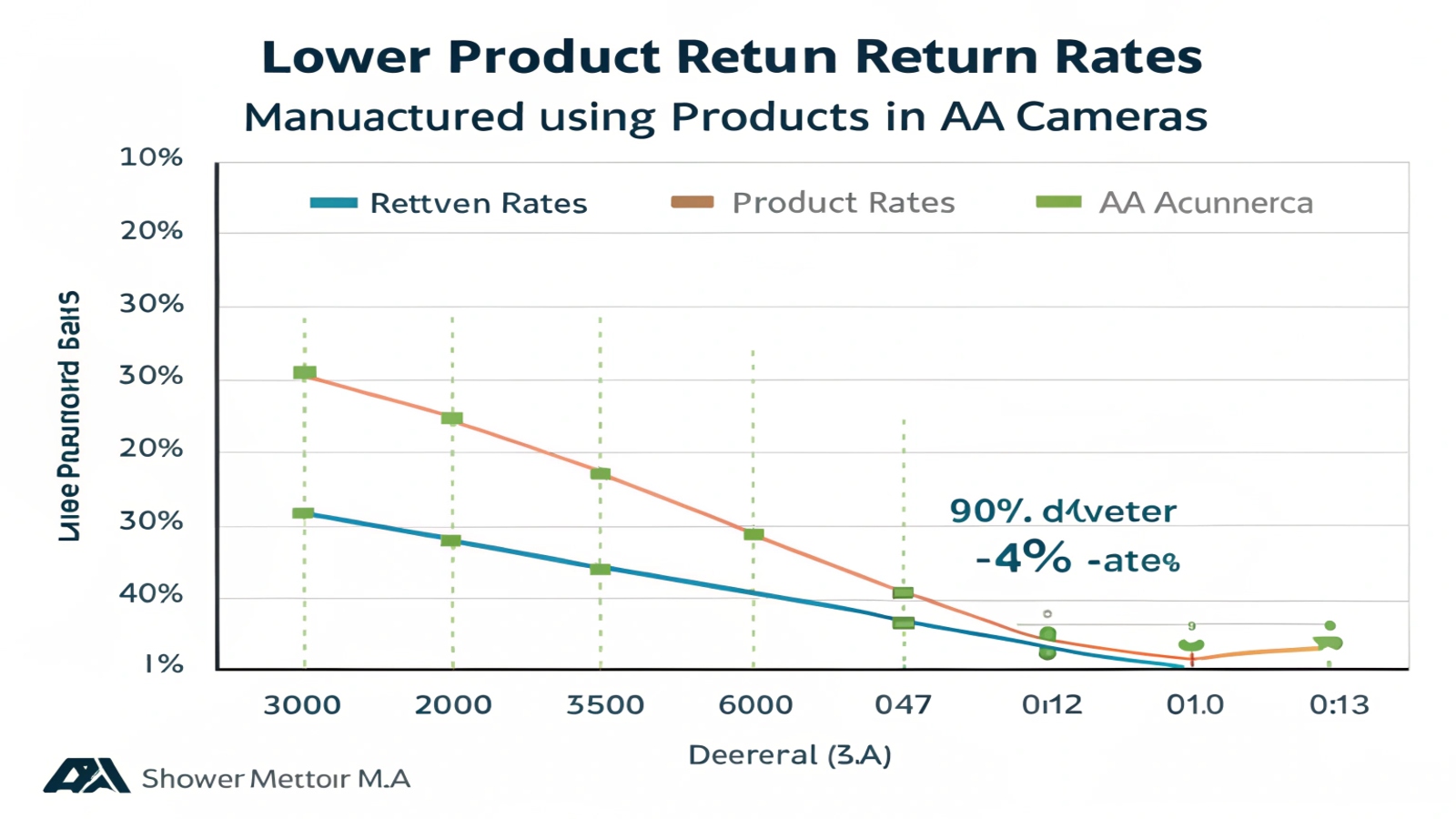
For a purchasing manager like Mr. Smith, whose company procures over $5 million in components annually, consistency is everything. When you are ordering tens of thousands of units, you cannot afford for 5-10% of them to be duds. The cost of returns, technical support, and reputational damage is far too high. This is where our commitment to the AA process provides direct business value. It's not just about making a better picture; it's about reducing your procurement risk and lowering your total cost of ownership.
Protecting Your Brand and Bottom Line
By ensuring every camera module is perfectly aligned, we help you deliver a product that works flawlessly right out of the box. Customers associate this reliability with your brand, not with us, the component manufacturer. This builds trust and reduces the chance they will choose a competitor next time. We see our role as a silent partner in your success.
Ensuring Quality at Scale
Our eight dedicated production lines, all equipped with AA machinery and staffed by QC personnel with over five years of experience, are built for this. We follow strict ISO 9001 quality management standards to guarantee that the 10,000th unit is just as perfect as the first. This is how we support global brands in delivering durable, compliant, and high-performance products to the market.
| Business Metric | Without AA (Traditional) | With AA (OpticalGrocery) |
|---|---|---|
| Customer Returns | Higher, unpredictable spikes | Drastically lower and stable |
| Brand Perception | Inconsistent, risky | Premium, reliable, trustworthy |
| Long-Term Cost | High due to warranty and support | Lower due to fewer failures |
| Market Position | Difficult to lead on quality | Stronger competitive advantage |
Conclusion
In short, camera alignment is a critical step, and the Active Alignment process is the only way to guarantee perfection for high-pixel cameras. This ensures superior quality, builds brand trust, and protects your investment.